
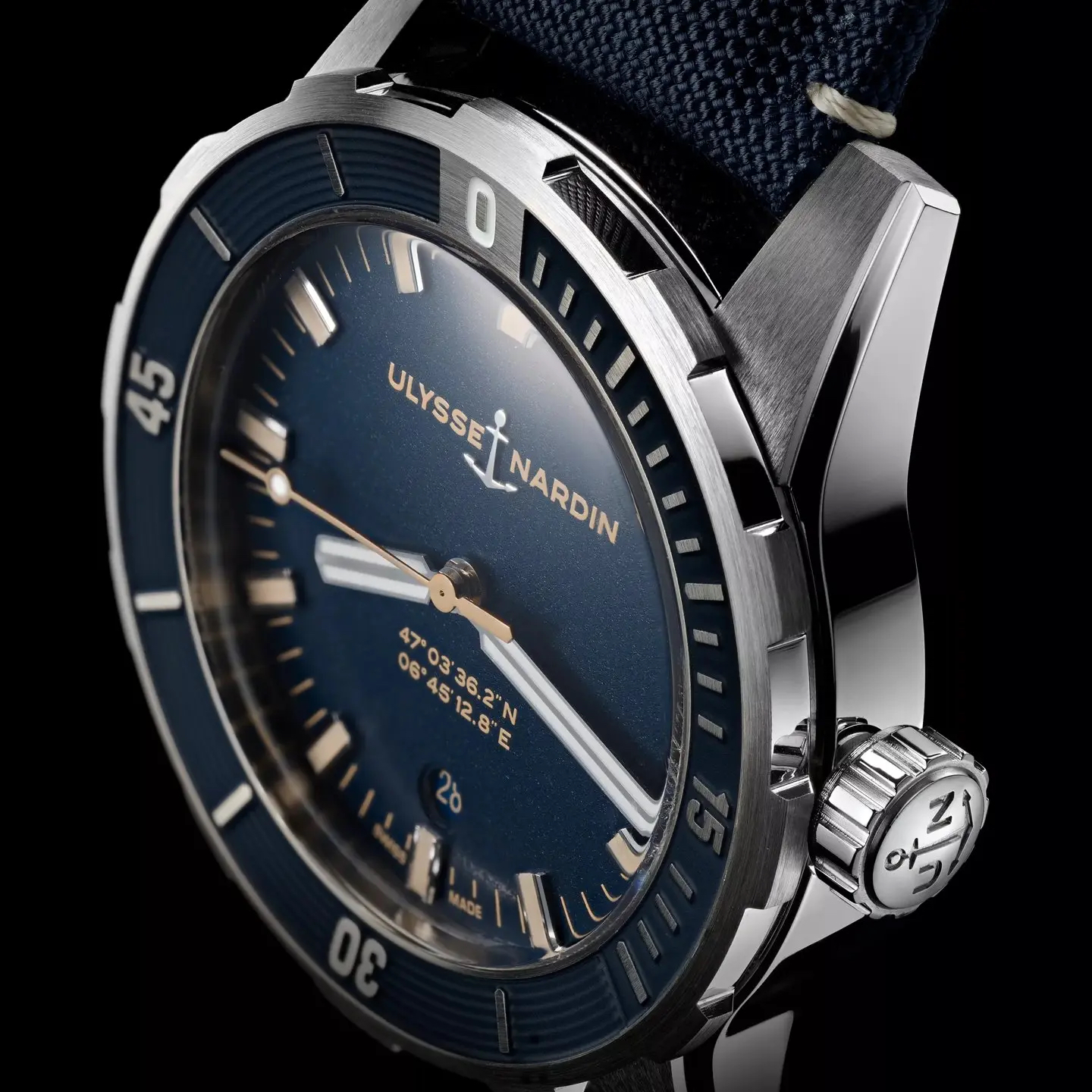
Designing Around the Turning Bezel – Part 2
Continuing our review of design elements deployed for tool watches and the bezels that add additional functions to timekeeping, this issue focuses upon dials.
Having concluded that, with few exceptions, watches with timing bezels feature round dials, we can now look at some examples of how watch designers have dealt with this universal shape. The elements in play are size, color, indices, minute track, hands, date display, subdials and more. Within these are, of course, variations and almost infinite possibilities. Our examples here are meant to reflect the ways designs can stand apart.
At this point, we would be remiss if we did not reference the fact that tool watch designs have, for the better part of two decades, been focused upon reviving classics from the early days of dive watches, chronographs and dual time-zone models. This should come as no surprise, as designers of sports cars, clothing, baseball stadiums and many other components of our daily lives have also been lured by successful past designs to resurrect iconic items and incorporate the look that drives the mood and inspires multi-generational appeal. Truly original designs emerge from time to time in the wristwatch world, but they struggle to compete with those that feature great designs that freely borrow from past legends.
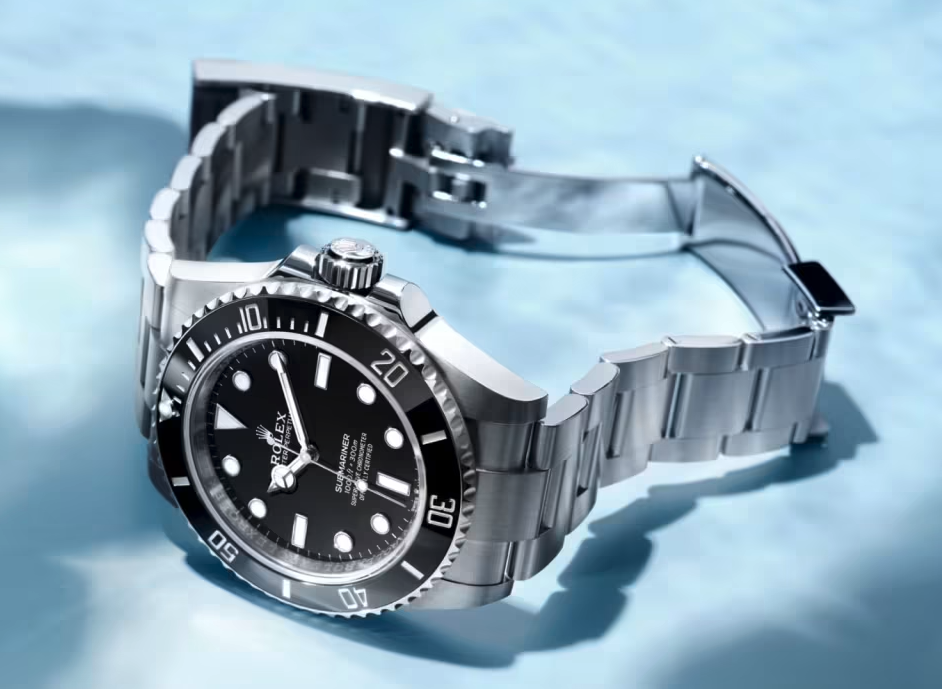
No wristwatch legend can compare, even remotely, with Rolex’s Submariner. While not the original dive watch, it quickly became the most revered, copied and collected. The design of the indices, hands and bezel, along with the case size, are the benchmark for timeless style, legibility (a key mandate for a true tool watch), and versatility. Submariners dive in the ocean, lead important corporate meetings, give daughters away at weddings, applaud great symphonic performances and more. As we look at other designs, make a point of seeing the design elements of the Submariner that may have been borrowed outright, or have provided key influence for tool watches that have followed.
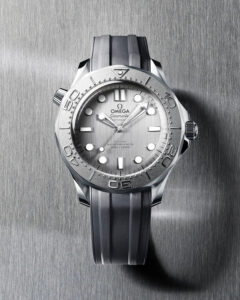 Omega, with the Seamaster line, also commands respect as one of the few enduring tool watches with an unbroken history of production and continuous innovation. This example of the Diver 300 features a rare light-colored dial in a dive watch, featuring brushed stainless steel. By adding a blasted steel timing bezel, this Omega becomes an even more versatile watch to wear, with its tool features more subtly displayed.
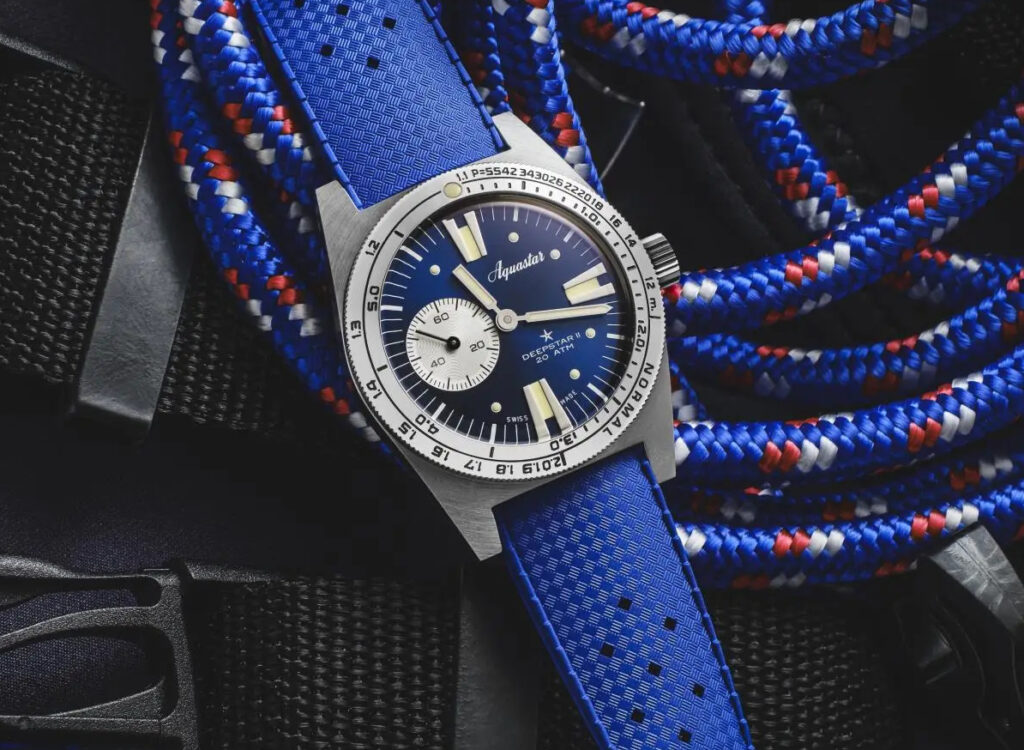
The Aquastar Deepstar II is a classically unique design from a long-dormant manufacturer, recently reborn. True to its original dial motif, this diver sports a seconds sub-dial, rarely seen in dive watches. The indices are also an original combination, using a large, bold deco-style at the cardinal points, with small lume dots and thicker hash marks on the minute track to round out the dial. Because of the unique placement of the subdial at 9 o’clock, the brand logo and watch model text falls into non-traditional locations at 2 and 4 o’clock. We also see the variation of a blue dial color for a quite appropriate effect in a diver. Few tool watch dials feature so many out-of-the-box design elements that are this well-executed. The bezel on the Deepstar II is also noteworthy, showing diving compression calculations.
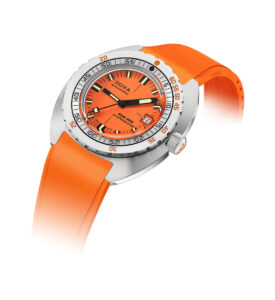
When dial colors are being considered, one of the most sought-after alternate colors for a tool watch, especially a dive watch, is orange. By using white or traditional mint green lume indices, legibility is outstanding, with orange being a proven color that pops into view under water. While many dive watch manufacturers have included orange-dialed versions in their catalogs, one company should be credited for popularizing the color and even creating a fashion trend around it. That company is Doxa. The Sub 300 can still be had in many colors, including, of course, orange.
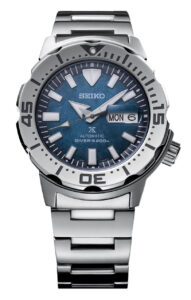
Seiko is one tool watch manufacturer that went its own way in design from the earliest days of its dive watch production. Yes, their original diver took cues from early Blancpain Bathyscaphes, but overall, their designs feature unique hands, indices, crown placements and case shapes. The Seiko collecting community has regularly nicknamed models, with those names being inspired by the brand’s design language. The SRPH75K1 shown here, from the family of watches nicknamed “Monster”, shows Seiko’s originality in design for the hands, indices, magnifying lens for the day/date window, case shape and bracelet design (another topic needing its own issue).
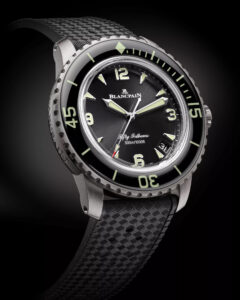
This article cannot be considered even remotely comprehensive without touching on the aforementioned Blancpain and their Fifty Fathoms. This, the original dive watch from 1953, as dealt with in Issue 2, also shows a design that has stood the test of time with its dial and bezel design still inspiring today’s version, shown here. Yes, some dive watches do use numbers on the dial. Notice how the symmetry of the dial is maintained by placing the date window at 4:30 so that the consistency of the indices is not interrupted.
There is a design element that has inevitably followed the retro-inspired trend, and that is the move to create a faux patina on the watch with artificially aged lume, faded “tropical” dials and even rusticated leather straps. The reasoning is simple. True vintage watches are rare and have become price prohibitive for all but the most obsessed collectors. So, why not recreate the time-worn look in a brand new watch. This seems to have special relevance for those brands who, after fading away into history, are making a comeback.
One very recent example is Favre-Leuba. This very old line is back and has returned with models inspired by past winners. The new Sea Sky and Deep Blue models each have differing versions, one with faux-vintage styling and others without, in multiple colorways. Both the chronographs and the divers are shown here to illustrate these contrasting design approaches.
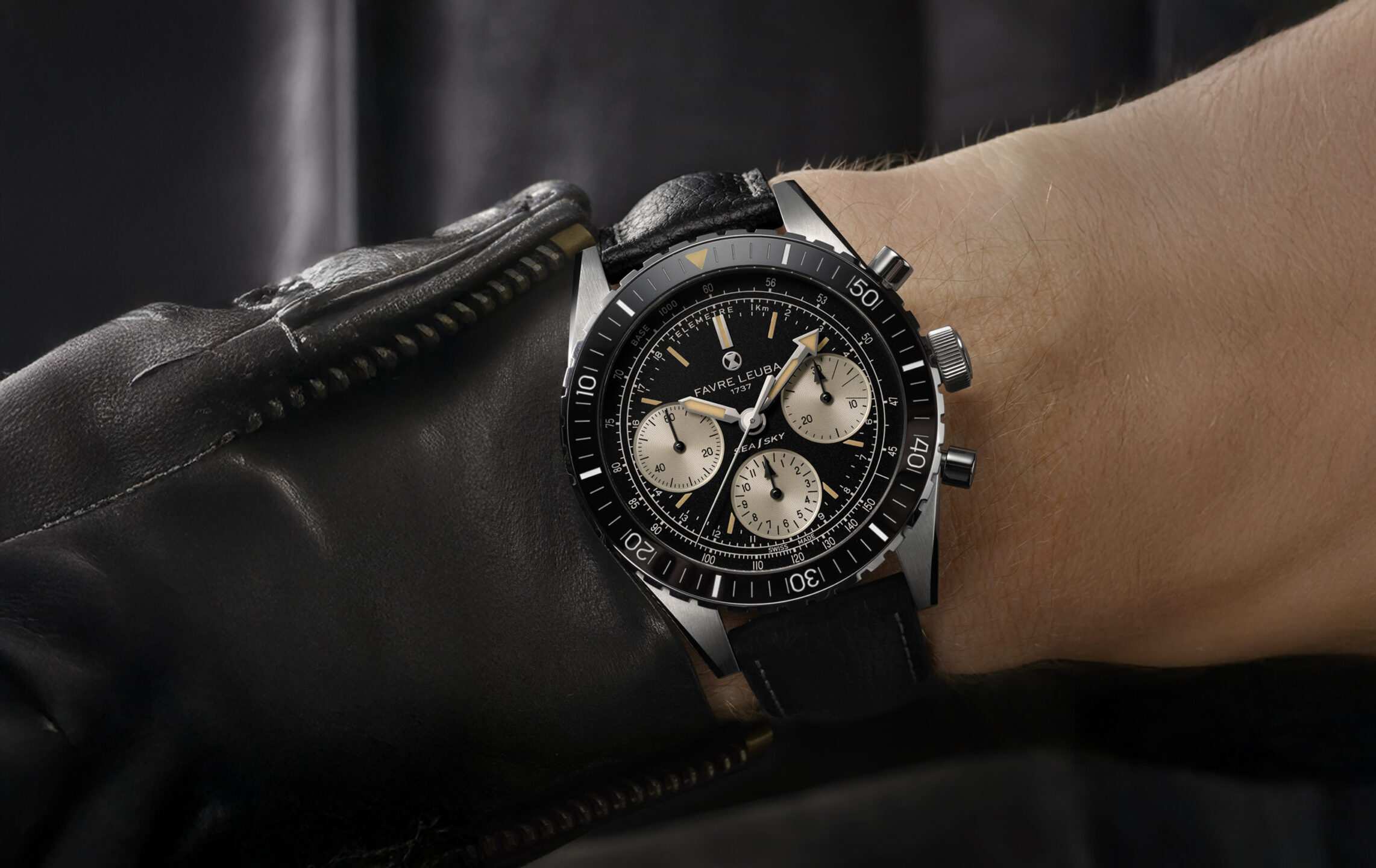
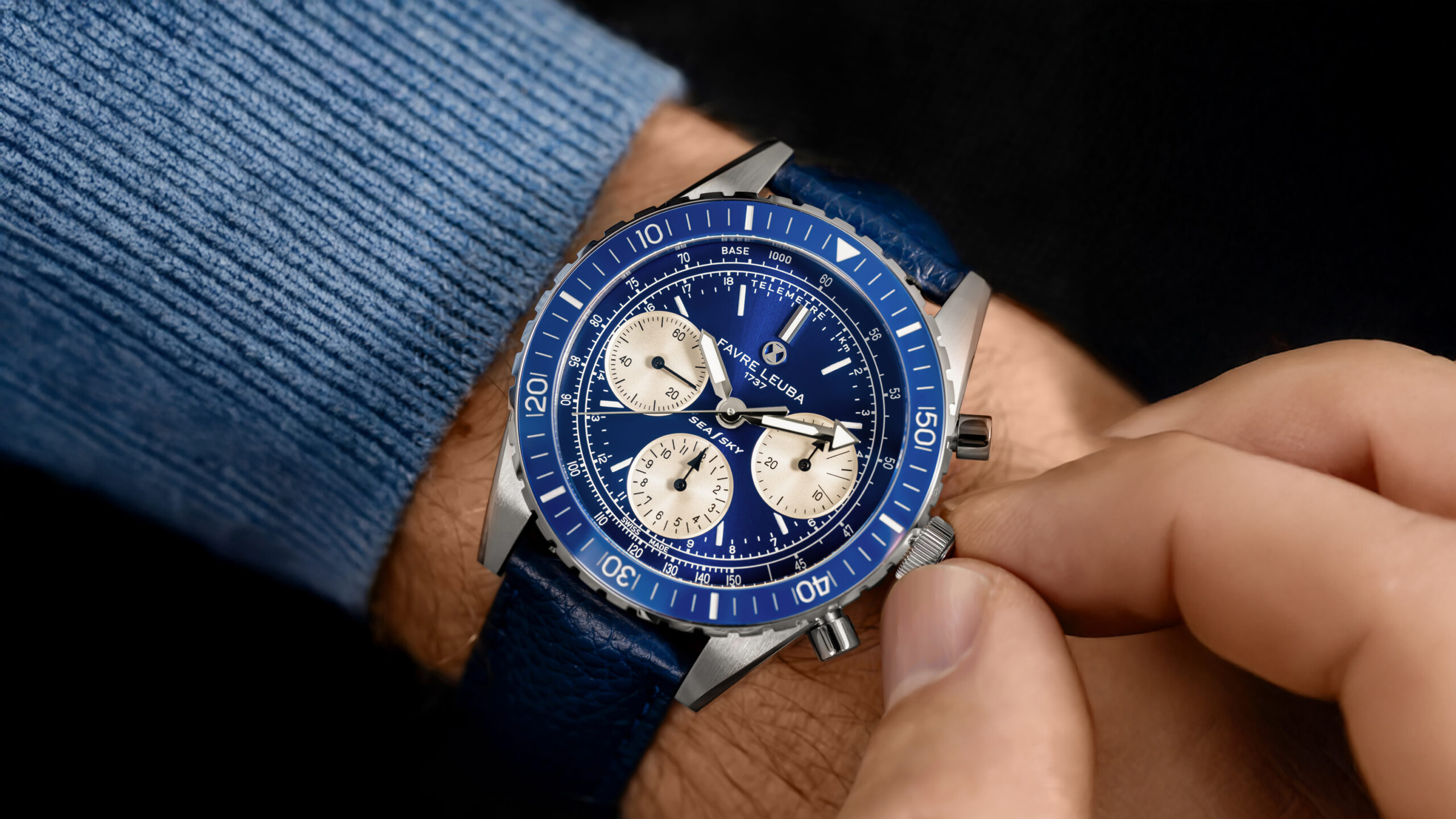
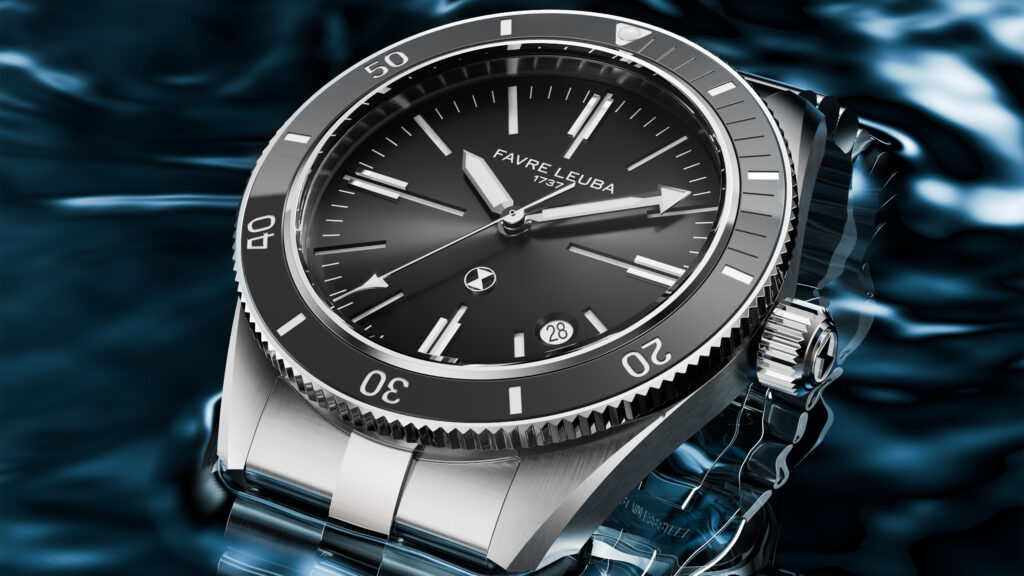
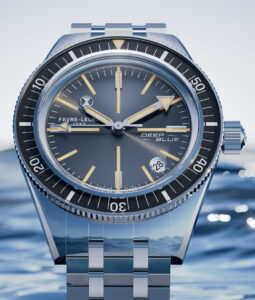
There is no natural limit to how far this topic can take us. The most fleeting trends, such as green-dialed watches and giant case sizes (48+mm diameters) have been omitted from this article. In ten years, these watches will likely not find much wrist time and could also experience dwindling resale value. As such, perhaps the more accurate description for these design outliers is not trend, but fad.
We would love to learn the watch designs that have tugged at your wrist and burned your pocketbook. This is a great time for watch lovers, where cutting-edge mechanical, quartz and solar watch technology is married to both modern and to vintage-inspired designs. Lovers of tool watches and the timing bezels that adorn them have much to choose from.