
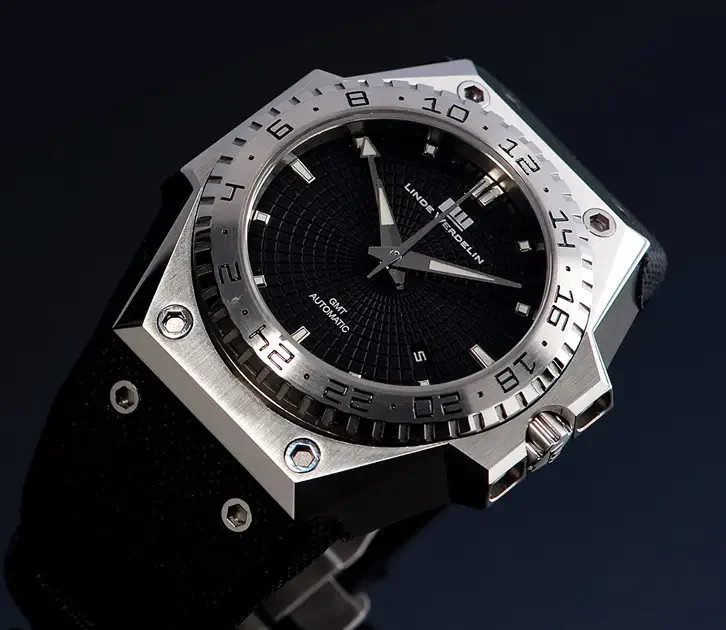
Designing Around the Turning Bezel
As tool watches have evolved alongside the new standard of casual attire for men, watch manufacturers face the growing challenge of creating a unique design that watch lovers truly seek out.
Our last issue focused upon dress/tool crossover watches and pure dress watches with timing bezels incorporated into the watch’s design. The point being, that if you prefer a one-watch collection, designs do exist that are appropriate and perhaps even perfect for any occasion.
For this issue, we want to explore the variations in design for true tool watches, recognizing that on 9 out of 10 days, men will be dressing casually. This includes work, dining out, attending sporting events, as guests at a friend’s place, shopping, etc. With the exceptions of weddings, funerals, court appearances or political campaigning, it’s hard to find a reason to dress in formal business or black-tie attire. This is especially true outside of major metropolitan cities. Even church services are now generally casual, with your “Sunday best” likely featuring nothing more formal than Khakis rather than jeans.
This has led to watch manufacturers featuring fewer noble metal models than ever before. Gold plated watches were very common before 1980 and offered an affordable approach to dress watches. Now, most watches that appear to be gold, are solid, not plated, with low-cost designer watches, especially such ladies’ watches, being the exceptions.
Stainless steel, titanium and ceramic have become the standards for today’s tool watches. And while the color palette for watches has expanded, most men will choose a watch with a black, white or silver colorway. Given this box that designers must work inside of, we want to highlight the designs that have drawn watch lovers’ eyes over the years. We also want to look at the latest trends in design and speculate which ones will stand the test of time and become iconic. Let the fun begin!
Because the design of a watch will likely be the number one criterion upon which a purchase decision is made, it will take at least two issues to fully discuss the components of design and the influences of past designs that drive today’s trends. In this issue we will look at two of the elements of tool watch design where a timing bezel is deployed, case shape and case size.
In the broadest sense, there are two case shapes that dominate tool watches, round and cushion, with the cushion category encompassing a multiple of variations such as the Linde Werdelin 3 Timer in our feature photo above. Here are two representative examples.
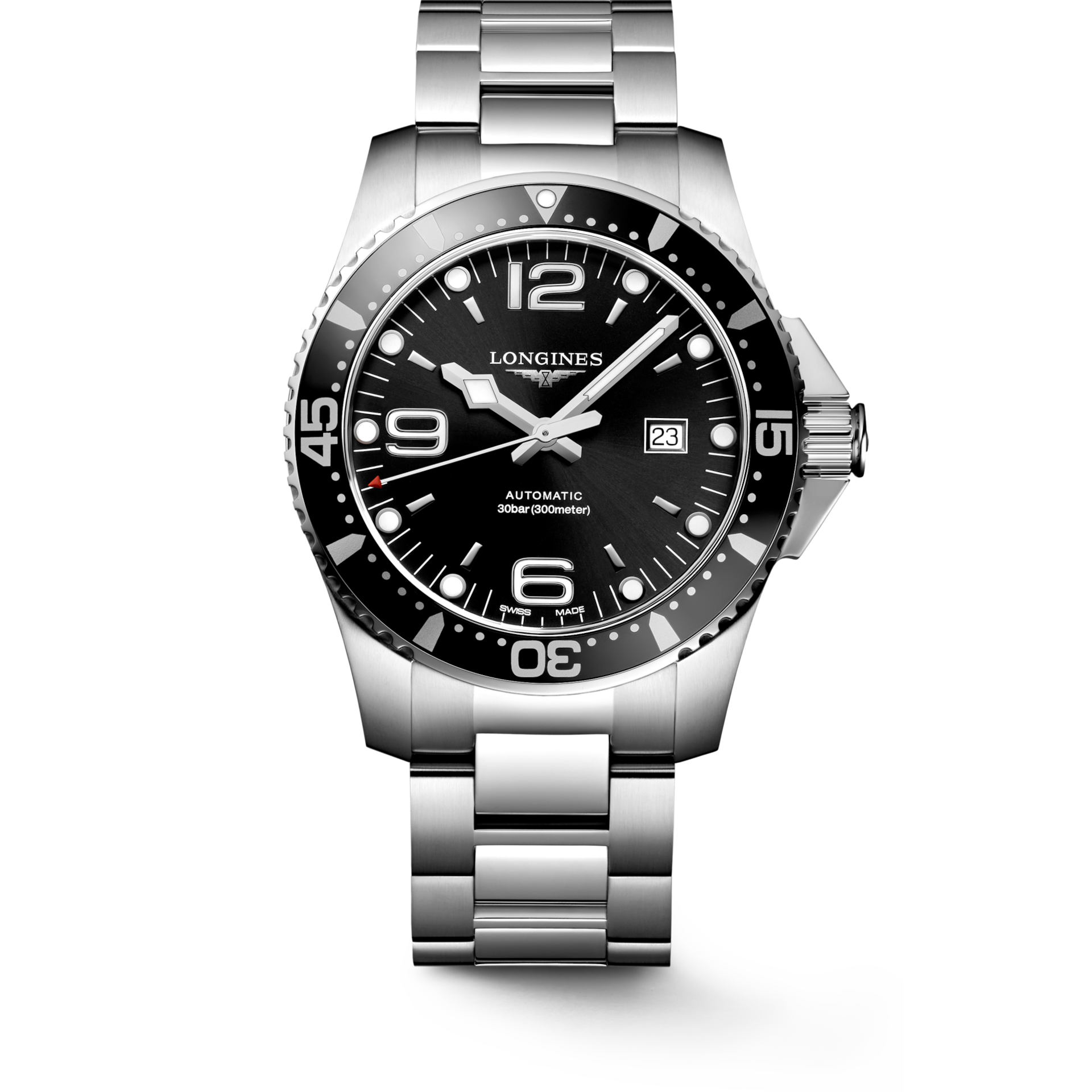

The Longines HydroConquest and the Seiko SRPE93, universally nicknamed “Turtle”, are two well-established dive watches showing the predominant case shapes, round and cushion.
Within these two case shapes are multiple unique designs that keep things interesting. The shape and size of the lugs, position and size of the crown, crown guards, bracelet or strap integration, crystal shape and, of course, bezel design are just some of the design elements that impact the look and feel of a tool watch. Examples abound.
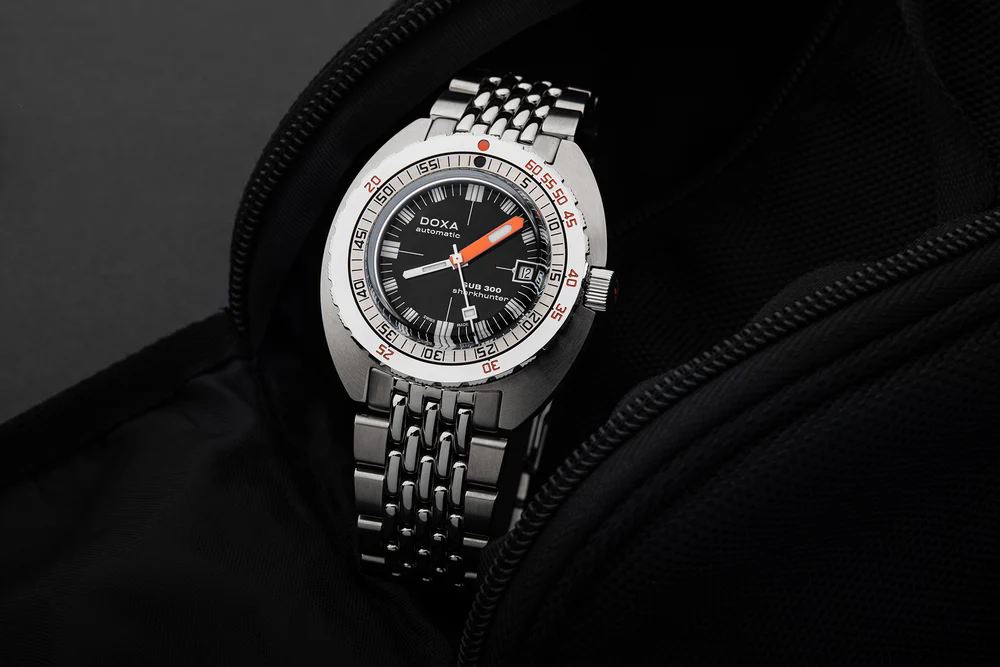
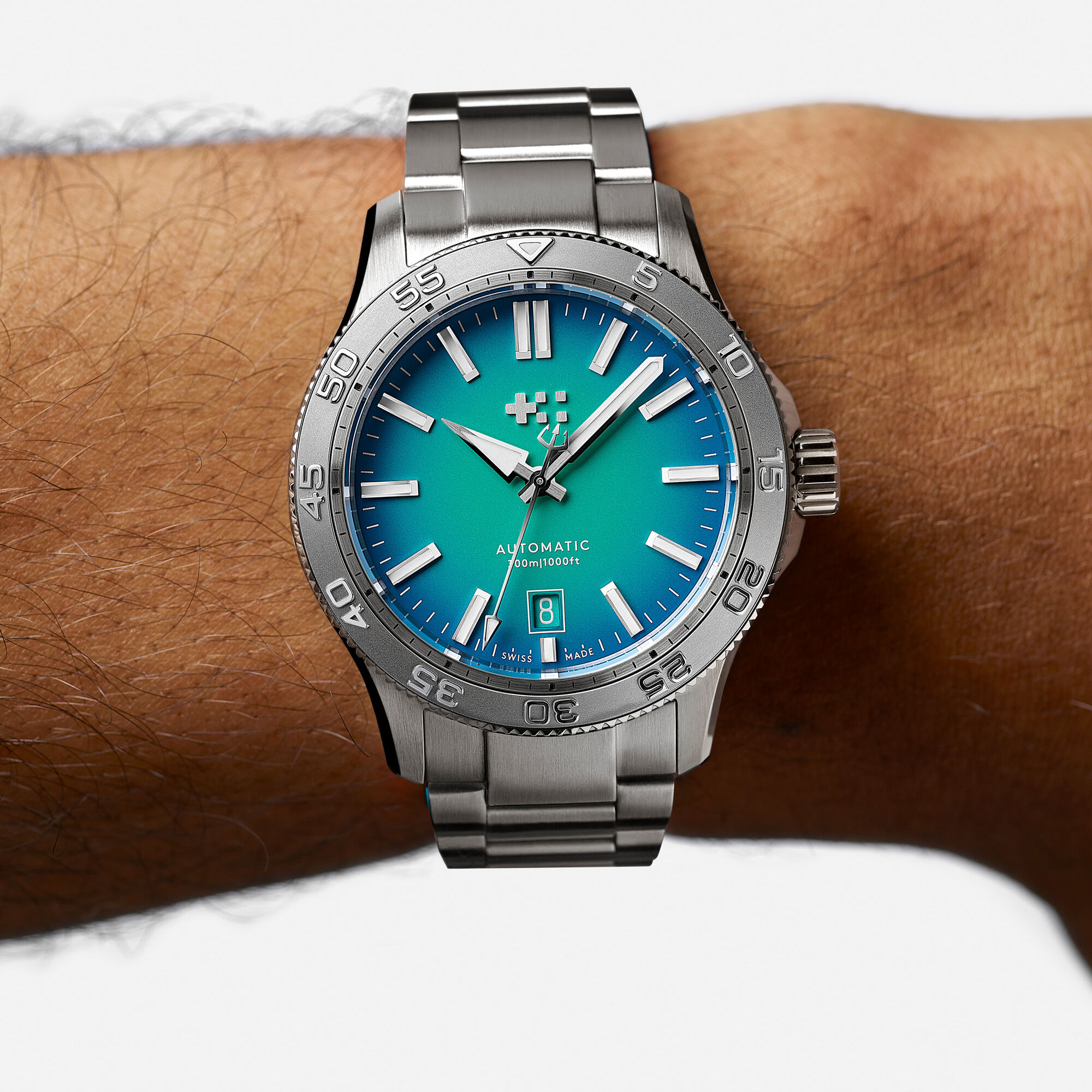
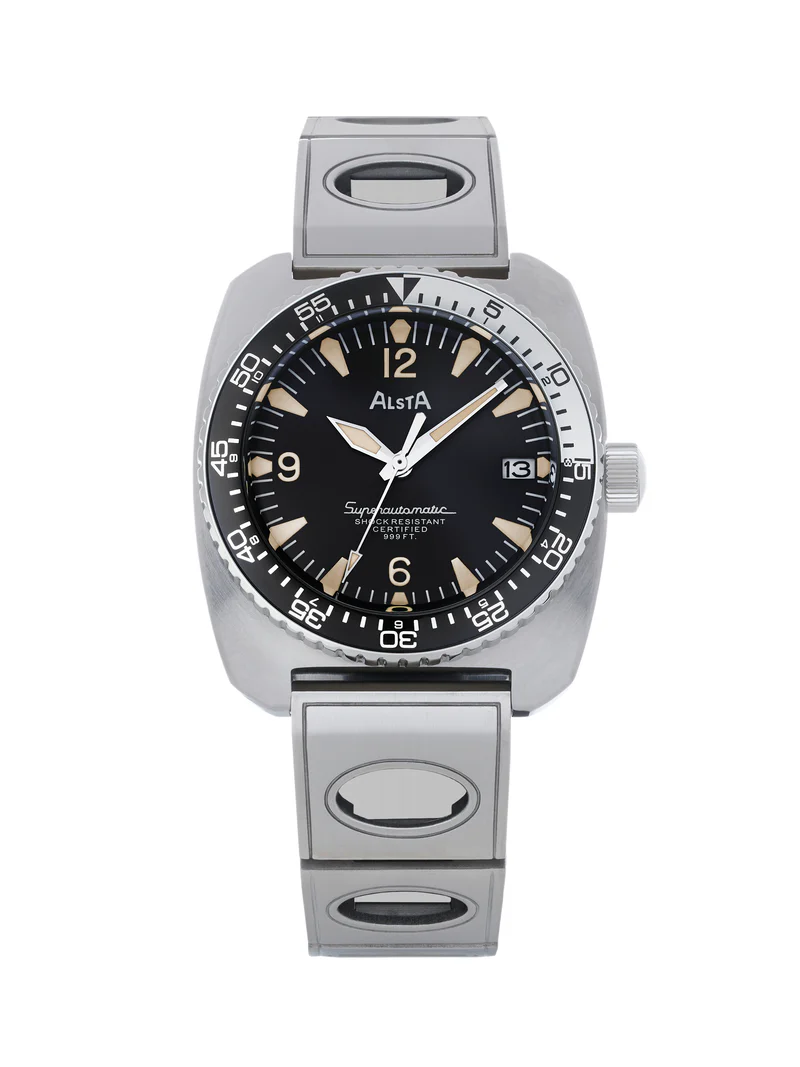
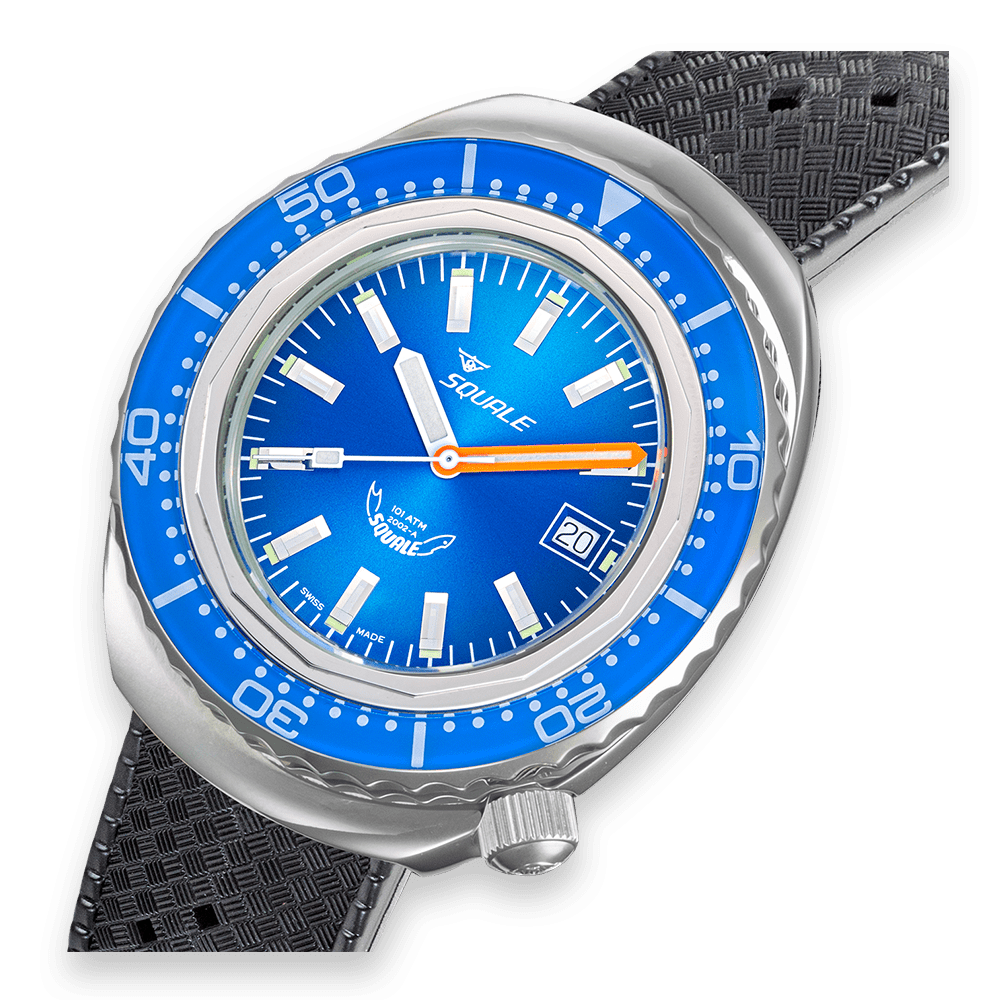
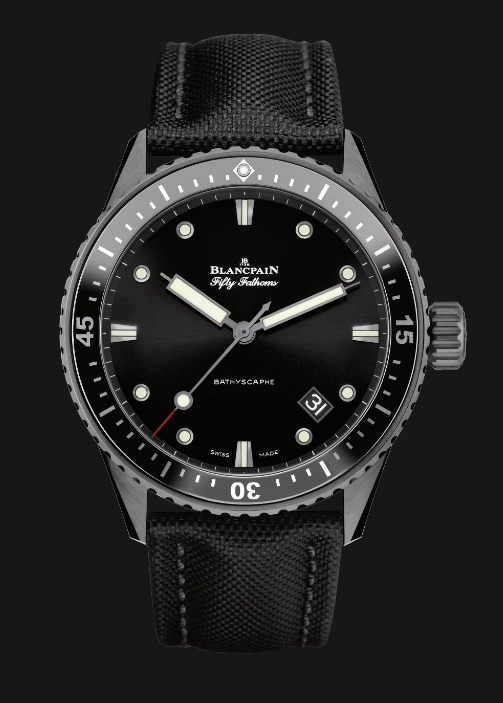
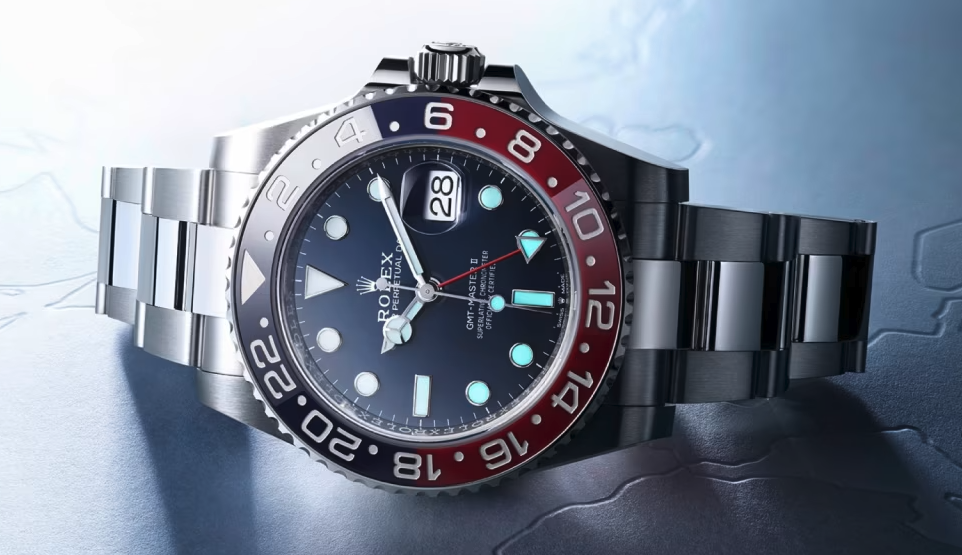
Within both of these case shape standards, are very large watches, very small watches (usually crafted for ladies) and everything in between. The average tool watch today is around 41mm in diameter. The largest can exceed 50mm, but those rarely look like a size match for most men. It can be disconcerting to find a watch image on-line or in a publication that you fall in love with, only to learn that its size would look out-of-place on your wrist.
One aspect of size that needs emphasizing is the lug-to-lug distance. Smaller cases can fit well on large wrists when they have longer lugs and vice versa. A large case (often a cushion case) will fit a smaller wrist when it features a more limited lug-to-lug measurement.
The common denominator in all the watches shown here, as with most divers and dual time zone models is the round turning timing bezel. Even if the timing scale is under the crystal, as with compressor divers, round is the shape that works for the bezel. This compels designers to use round dials.
As you can see from these examples, numerous other design factors come into play, such as dial color, case material, dial design (a full topic unto itself) and strap/bracelet choice. And we will delve more into these design elements next month.
Thanks again for spending time here and don’t hesitate to send thoughts and pictures that could enhance our dialogue.